

Container Rose Soil and Drainage Requirements
Container rose soil and drainage form the root zone environment that supports oxygen movement, moisture balance, and nutrient access inside a pot. A supportive potting mix keeps enough structure for aeration while letting excess water move toward the bottom flow, which helps the root zone stay more stable.
Container rose soil should usually be loose, well-draining, and steady enough to hold moisture without staying persistently wet. Drainage must allow excess water to leave the pot instead of collecting around the lower roots. Soil pH may affect nutrient availability, so testing and any correction should depend on the actual mix and water source. The main dimensions are texture, drainage, moisture balance, and pH.
Heavy potted rose soil can compact, reduce aeration, and increase wetness risk, while a well-draining mix can support watering and root health without replacing a watering routine or root-rot treatment. For the wider care context around pots, tools, and maintenance, see the Container Rose Care System overview. The next root-condition discussion explains how soil structure and drainage flow affect container rose roots before ingredient or pH choices are judged.
How Soil and Drainage Shape Container Rose Root Conditions
Root conditions are shaped by how soil and drainage regulate oxygen, moisture movement, and nutrient access within a container rose root zone. When these factors remain reasonably balanced, container rose roots may experience less stress and maintain better access to air and water. The relationship centers on root oxygen and moisture balance.
Root conditions can be organized through a few key signals that reflect oxygen availability, drainage behavior, and moisture movement in the root zone.
- Pore space that allows oxygen to move through the soil structure
- Drainage speed that influences how quickly excess water leaves the container
- Water retention that helps maintain moisture between wet and dry periods
- Wet-dry balance that affects root stress and nutrient access
Pore space refers to the air space and water-filled gaps within a potting mix. Container rose roots rely on these spaces for oxygen movement and moisture distribution. Soil structure influences how much air space remains available after watering and how quickly water flow moves through the container. Drainage speed affects whether excess water leaves the root zone efficiently or remains around the roots for longer periods.
Root stress may develop when poor pore space, excessive water retention, or slow drainage speed reduce oxygen availability. When excess water occupies too much of the root zone, nutrient access and normal root activity may become less efficient because oxygen movement is restricted. A balanced relationship between water retention and drainage speed often supports a more stable wet-dry balance across changing conditions. Drainage supports watering success, but it does not replace a proper watering routine.
This chart shows the key root zone signals—pore space, drainage speed, and water retention—and how they affect oxygen availability and root stress.

Soil Texture and Structure for Container Roses
Soil texture and soil structure describe the physical qualities that influence how air and water move through a container rose growing medium. These qualities affect porosity, aeration, moisture holding, and drainage within the root zone. In container conditions, supportive soil texture is typically defined by a balance between air space and water availability.
Soil texture supports container rose roots when porosity allows both air flow and moisture movement through the potting mix body. Pore space helps oxygen reach roots while also providing pathways for excess water to move away from saturated areas. A loose structure often promotes more consistent drainage than a compacted one. Root performance may vary with pot material, climate, and watering conditions.
Compaction can reduce air space, slow drainage, and limit oxygen movement within the root zone. When soil structure becomes dense, excess water may remain in the container longer, which can increase root stress under certain conditions. An open mix with visible crumb structure often maintains better separation between particles and pore spaces. This contrast shows how soil structure influences both moisture holding and drainage behavior without relying on a universal mix.
Soil Texture and Structure for Container Roses determines how physical attributes influence air flow and water movement. The table below organizes key structural features by their potential effect on root-zone conditions.

| Entity or part | Attribute | Value or condition | Effect or risk |
|---|---|---|---|
| Potting mix body | Soil body | Loose structure | May support aeration and moisture movement |
| Pore space | Porosity | Open air space | Can improve root oxygen access |
| Organic fraction | Crumb structure | Stable structure | May balance moisture holding and drainage |
| Compacted zones | Compaction | Reduced air space | May slow drainage and increase root stress |
Loam, Aeration, and Moisture Movement
Loam-like structure refers to a balanced soil body that supports both air pockets and water movement within the container root zone. Aeration depends on these spaces remaining open enough for oxygen exchange around roots. In container conditions, loam-like structure connects air and water movement while supporting root oxygen access.
Dense mix conditions may slow drainage speed because fewer connected air pockets remain available for moisture movement. Reduced aeration can occur when water occupies more of the available space, which may limit oxygen movement around container rose roots. An open mix often supports more consistent drainage speed and moisture movement, although results can vary with particle arrangement and pot conditions.
An open mix with visible air pockets may allow water movement through the soil body more freely than a dense mix with tightly packed particles. This local contrast helps clarify how loam-like structure influences aeration, drainage speed, and moisture movement within the broader soil texture discussion.
This chart shows how loam-like structure in container soil influences aeration and moisture movement, comparing open and dense mix conditions.

Organic Matter and Soil Stability
Organic matter supports moisture buffering, nutrient holding, and soil stability within a container rose growing medium. Composted material can help retain water and nutrients while contributing to a more stable root-zone environment when conditions remain balanced. Organic matter is most beneficial when combined with drainage-supporting particles rather than used as a dominant component.
Organic matter may improve water holding and nutrient retention, but decomposition can gradually alter soil structure over time. As composted material breaks down, the organic fraction may change in texture and contribute to compaction risk if drainage and structure are not maintained. A balanced mix can help preserve both moisture buffering and the physical stability needed for healthy root conditions.
Useful organic matter can support soil behavior, while excessive organic matter may hold moisture longer than intended as decomposition progresses. This contrast highlights why composted material should remain balanced with drainage-supporting particles to support long-term soil stability.
This chart explains the dual role of organic matter in container rose growing medium, including its benefits, decomposition risks, and the need to balance with drainage particles.

Potting Mix Ingredients for Container Roses
Potting mix ingredients are the functional components that shape drainage, moisture retention, weight, and stability within a container rose growing medium. Each ingredient group contributes a different attribute, so potting mix ingredients are typically evaluated by function rather than by ingredient name alone. These groups can be organized according to drainage support, moisture retention, nutrient holding, and stability.
Potting mix ingredients influence how a container responds to watering and root-zone conditions. A base mix often provides the primary growing medium, while compost may contribute nutrient holding and stability. Perlite and other mineral amendments support aeration and drainage support, whereas coco peat and bark can contribute moisture retention under suitable conditions. The overall effect depends on ingredient balance and container conditions rather than a fixed recipe.

Potting Mix Ingredients for Container Roses can be understood more clearly when each ingredient group is connected to its function and trade-off. The table below organizes ingredient groups by attribute, useful condition, and limitation.
| Ingredient group | Main attribute | Useful condition | Limitation or risk |
|---|---|---|---|
| Base mix | Growing medium foundation | Supports overall structure | Performance depends on composition |
| Compost | Nutrient holding and stability | May support moisture retention | Decomposition can change structure over time |
| Perlite or mineral aerators | Aeration and drainage support | Helps maintain air movement | May contribute limited moisture retention |
| Coco peat | Moisture retention | Can buffer water availability | Balance depends on drainage conditions |
| Bark | Structure and stability | May help maintain openness | Changes may occur as decomposition progresses |
| Drainage-sensitive additions | Condition-specific adjustment | Used to modify mix behavior | Excess use may affect balance |
Each ingredient group contributes a distinct role, creating trade-offs rather than universal advantages. A rose potting soil mix typically performs best when moisture retention, drainage support, weight, and stability remain balanced within the growing medium.
Potting Soil, Compost, and Topsoil Boundaries
Potting soil is a container-focused potting medium that is typically formulated for container suitability and drainage. Compost contributes organic matter, nutrient contribution, and microbial activity, while topsoil is a denser garden soil material with different physical characteristics. For container rose use, potting soil and garden soil should be treated as separate categories because container conditions differ from in-ground conditions.
A common misconception is that compost or topsoil can serve the same role as a complete container medium. Compost may support nutrient contribution and microbial activity, but container performance still depends on how composted material is balanced within the mix. Topsoil may contribute mineral content, yet higher density can increase compaction risk in pots, where water movement and root conditions often differ from those found in open ground.
The distinctions below provide a quick comparison for container rose growing conditions.
- Potting soil: Usually offers the highest container suitability because it is intended to support drainage and root-zone balance.
- Compost: Contributes organic matter, nutrient contribution, and microbial activity, but is typically used as part of a broader potting medium.
- Topsoil: May contribute mineral content, but density and compaction risk can become limiting factors when container conditions restrict root-zone space.
This chart compares the key characteristics and suitability of potting soil, compost, and topsoil for container rose growing conditions.

Perlite, Sand, and Mineral Amendments
Mineral amendments can change aeration, drainage speed, and mix weight within a container rose growing medium. Perlite, coarse sand, and grit-like materials influence how air and water move through the mix, but the outcome depends on particle size and the surrounding ingredients. Their primary function is to modify physical growing-medium behavior rather than provide the same result in every pot.
Mineral amendments should be evaluated by function because different materials affect different attributes. Perlite is commonly associated with aeration in a lightweight mix, while coarse sand may increase mix weight and influence drainage speed when particle size and mix balance are suitable. Grit and other mineral particles can help maintain separation within the growing medium, but the effect varies with particle size and the base mix. Overuse risk may increase when an amendment shifts the balance toward rapid drying, excessive weight, or reduced root-zone consistency.
The comparison below separates drainage support from weight and compaction considerations.
| Amendment | Main effect | Use caution |
|---|---|---|
| Perlite | Supports aeration in a lightweight mix | Overuse may reduce moisture retention |
| Coarse sand | May influence drainage speed and add weight | Effect depends on particle size and mix balance |
| Grit or mineral particles | Can help maintain particle separation | Excess use may affect mix weight or compaction behavior |
A heavy mix may benefit from an aerating amendment, while a fast-drying mix or a hot exposed pot may require closer attention to moisture balance. The most suitable adjustment depends on mineral amendments, particle size, and the existing growing medium.
Coco Peat, Bark, and Moisture Retention
Coco peat and bark are moisture-holding materials that can help container roses maintain more consistent water availability between watering events. Coco peat is often associated with water holding and rewetting behavior, while bark fines can contribute to both moisture retention and aeration balance. Their usefulness depends on maintaining moisture balance within the growing medium.
Moisture retention can support root-zone conditions when water holding is balanced with air movement and drainage. Coco peat may absorb and release moisture differently depending on its condition and the surrounding mix, while bark fines can change gradually as decomposition progresses. Moisture-holding materials are most effective when aeration balance is maintained and drainage holes allow excess water to leave the container. Moisture retention should be evaluated alongside drainage holes and pot exposure rather than as a standalone benefit.
The checklist below can help identify whether moisture retention may be excessive under current growing conditions.
- Water remains in the mix for long periods after watering.
- The growing medium stays consistently damp despite changing pot exposure.
- Rewetting behavior becomes uneven, with wetter and drier areas developing within the mix.
- Aeration balance appears reduced because air movement through the root zone is limited.
Soil pH Requirements for Container Roses
Soil pH affects nutrient availability for container roses, and a slightly acidic to near-neutral pH range is often preferred, although results can vary by potting mix and water source. Soil pH influences how easily roots access nutrients within the growing medium. For many container conditions, a pH range of about 6.0 to 6.5 may support nutrient availability when confirmed through testing.
Soil pH Requirements for Container Roses are easier to interpret when pH level observations are separated from correction decisions. The table below organizes pH interpretation by response caution.
| pH condition | Likely interpretation | Response caution |
|---|---|---|
| Within preferred pH range | Nutrient availability may remain balanced | Continue periodic testing rather than making immediate changes |
| Mild variation from the preferred range | Nutrient uptake may vary depending on the potting mix and water source | Confirm results with testing before considering adjustments |
| Consistent deviation confirmed by testing | Nutrient availability may become less efficient | Evaluate correction needs carefully before making amendments |
Soil pH is a useful criterion because nutrient availability depends on the interaction between acidity, alkalinity, the potting mix, and the water source. Testing helps distinguish a mild variation from a condition that may justify further evaluation. Amendment caution remains important because overcorrection can create new pH imbalances, so correction decisions should rely on testing rather than repeated adjustment attempts.
Drainage Requirements for Rose Pots
Drainage requirements for rose pots depend on allowing excess water to leave the container while preserving enough air and moisture within the root zone. A rose pot needs a clear water exit path rather than a sealed base. Effective drainage combines excess-water exit with root-zone air preservation.
Drainage requirements are defined by drainage holes, outlet clearance, and bottom flow. Drainage holes provide the primary path for excess water to leave the container, while outlet clearance helps keep outlet flow unobstructed beneath the pot. Bottom flow depends on both pot design and soil texture because water must move through the growing medium before reaching the outlet. A rose pot may drain less effectively when blockage restricts water exit at the base.

Drainage Requirements for Rose Pots can be verified through the features below, which help evaluate drainage holes, outlet clearance, bottom flow, and soil interaction. The image labels the features that allow excess water to leave without blocking the soil above the outlet.
- Drainage holes provide a direct path for excess water to leave the rose pot.
- Outlet clearance helps maintain bottom flow beneath the container.
- Soil texture influences how easily water reaches the drainage outlet.
- Drainage mesh may help with soil retention near the outlet while still allowing water exit.
- Visible bottom flow indicates that outlet flow is not heavily restricted.
Outlet blockage can reduce water exit and limit root oxygen when excess water remains near the bottom of the container. Drainage mesh may support soil retention around drainage holes, but its effect depends on outlet conditions and pot design. A drainage layer can change conditions near the base of the pot, yet it does not replace drainage holes or outlet clearance because usable root space and water movement still depend on the overall container and soil texture. For the related assembly process, see the setup steps.
Drainage Holes and Bottom Flow
Drainage holes allow excess water to leave a rose pot, and bottom flow depends on those outlets remaining open after irrigation. Drainage holes support water escape only when outlet flow is not restricted. Effective bottom flow connects drainage holes directly to water exit.
Drainage holes may not provide adequate water escape when blockage restricts outlet flow or when bottom clearance is limited beneath the pot. For example, a pot can have drainage holes but still drain poorly if saucer contact covers the outlets after watering. Outlet size influences how easily water reaches the exit point, while a raised bottom or adequate bottom clearance helps maintain bottom flow below the container. Practical checks include hole presence, outlet openness, bottom clearance, saucer contact, and mesh blockage risk.
- Drainage holes are present and visibly open.
- Outlet size is not restricted by debris or accumulated material.
- Bottom clearance allows water escape beneath the pot.
- Saucer contact does not block outlet flow after irrigation.
- Mesh blockage risk remains low so water can continue moving through the outlets.
Drainage Mesh, Gravel, and Drainage Layer Limits
Drainage mesh, gravel, and clay pebbles should be evaluated by their function rather than by the assumption that every drainage layer improves water movement. These materials can serve different purposes depending on pot depth, mix structure, outlet function, and layer thickness. The key criterion is separating outlet protection from actual drainage improvement.
The comparison below distinguishes soil-retention and outlet-protection functions from drainage-related effects.
| Material | What it helps | Limit to explain |
|---|---|---|
| Drainage mesh | Supports soil retention and outlet protection | May contribute to blockage if the drainage screen becomes restricted |
| Gravel | Creates a drainage layer at the container base | Effect depends on pot depth, layer thickness, root space, and mix structure |
| Clay pebbles | Can function as a bottom layer or outlet-protection material | Perched water risk may still depend on pot depth and growing-medium structure |
Drainage mesh is primarily used for outlet protection, while gravel and expanded clay are commonly used as a drainage layer. A thicker bottom layer can reduce usable root space, and drainage outcomes may vary with pot depth, outlet function, and growing-medium structure. For this reason, outlet protection and actual drainage improvement should be evaluated as separate criteria.
Matching Soil and Drainage to Pot Conditions
Matching Soil and Drainage to Pot Conditions depends on how pot conditions change moisture behavior within the same growing medium. Pot depth, container material, exposure conditions, and climate can alter drying speed and water movement even when the soil mix remains unchanged. Drainage fit should therefore be evaluated according to container conditions rather than assuming a universal match.
Pot conditions influence how soil volume stores and releases moisture over time. Greater pot depth may affect drying speed and moisture retention differently from a shallower container because available soil volume changes. Container material can also influence heat exposure and water loss patterns. These factors help determine whether an open mix or additional moisture retention may be more suitable.
Container conditions often require soil and drainage adjustments rather than a fixed formula. Heat exposure and balcony wind may increase drying speed, while more protected conditions may slow moisture loss. When evaluating how pot depth and container material affect drainage fit, it can help to first choose the right container size and then assess how the growing medium responds under those conditions.
Matching Soil and Drainage to Pot Conditions becomes easier when pot conditions are organized into clear adjustment signals. The table below connects common conditions with soil and drainage decisions.
| Condition | Soil or drainage attribute | Adjustment signal | Risk if ignored |
|---|---|---|---|
| Greater pot depth | Soil volume and moisture retention | Monitor drying speed before increasing water-holding materials | Unexpected moisture behavior |
| Container material with higher heat exposure | Water loss and drying speed | Consider more moisture retention when drying becomes rapid | Faster moisture loss |
| Balcony wind | Drying speed | Assess whether moisture retention needs increase | More frequent drying |
| Rainfall exposure | Outlet clearance and drainage need | Check that excess water can leave the container | Higher wetness risk |
| Slow drainage conditions | Open mix and outlet clearance | Evaluate whether better outlet clearance or a more open mix is needed | Extended wet conditions |
Pot conditions provide decision signals rather than exact compatibility rules. Faster drying speed may indicate a need for more moisture retention, while persistent wetness may indicate a need for a more open mix or improved outlet clearance. The most suitable drainage fit depends on how container conditions influence water movement over time.
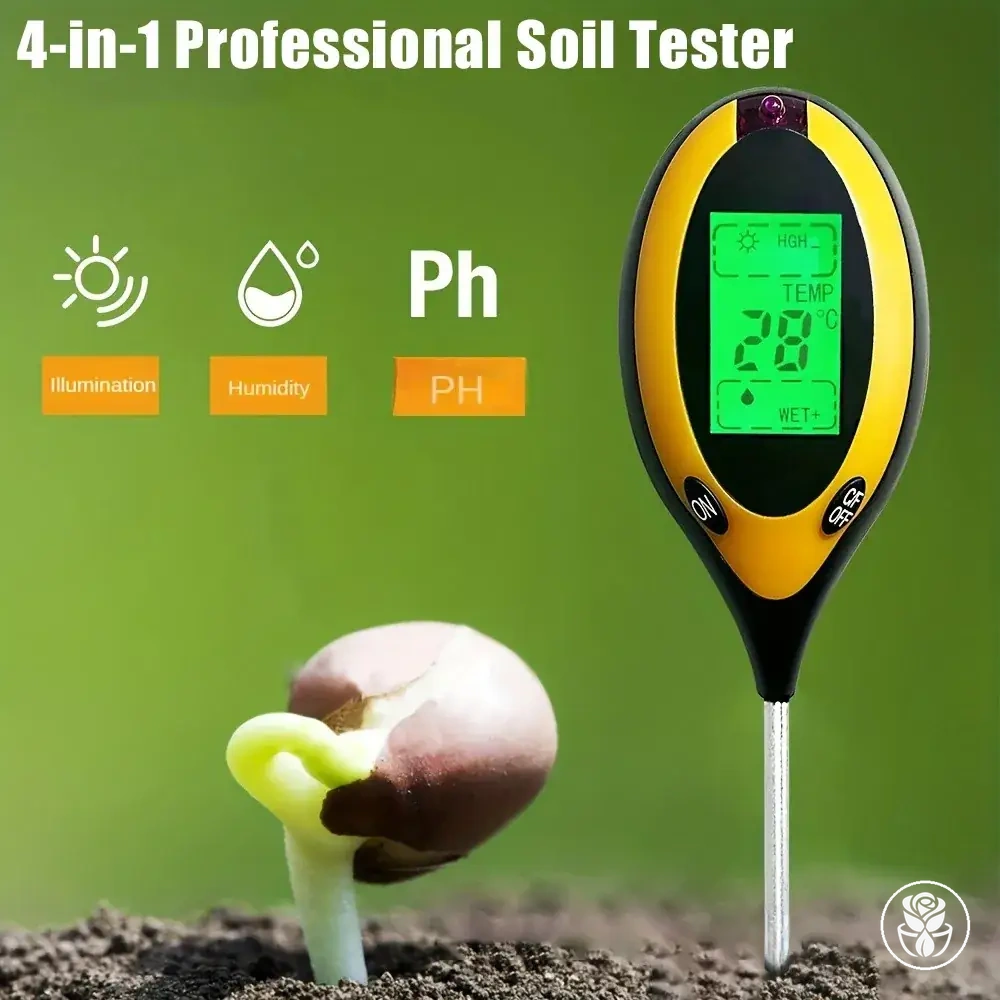
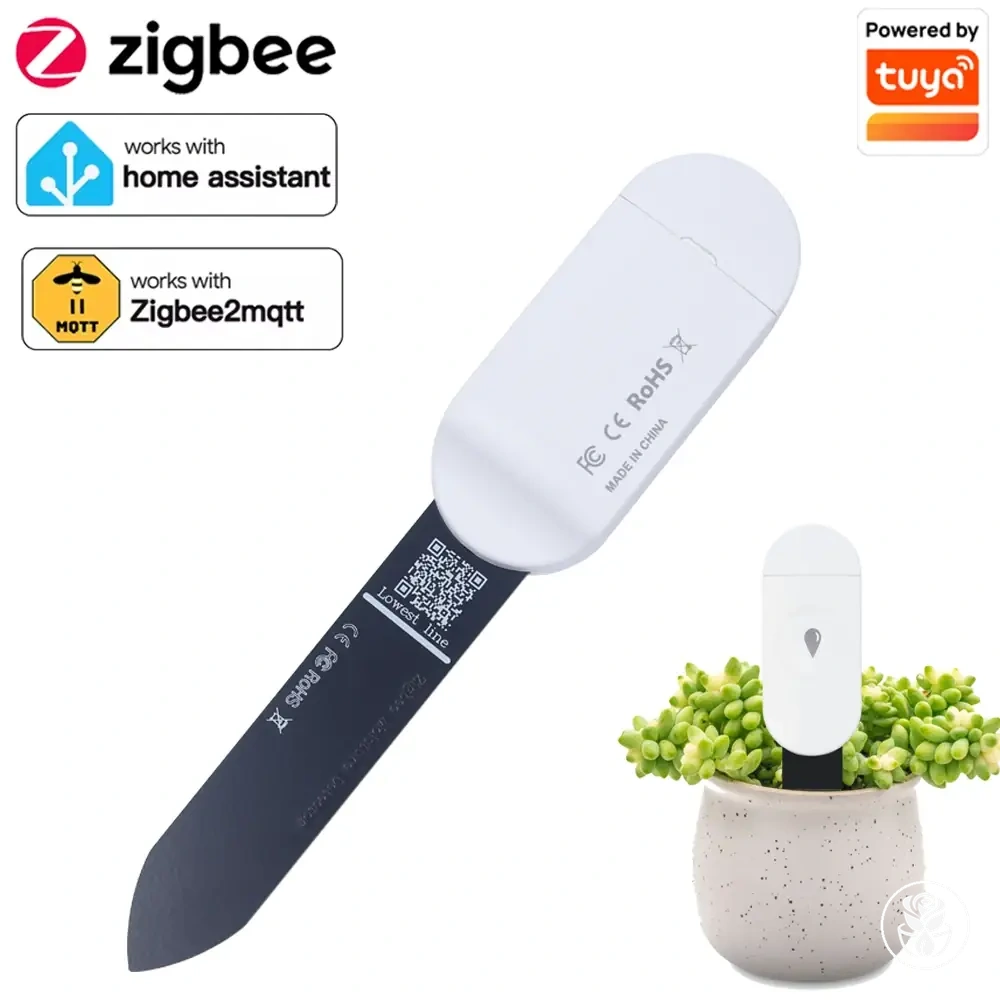
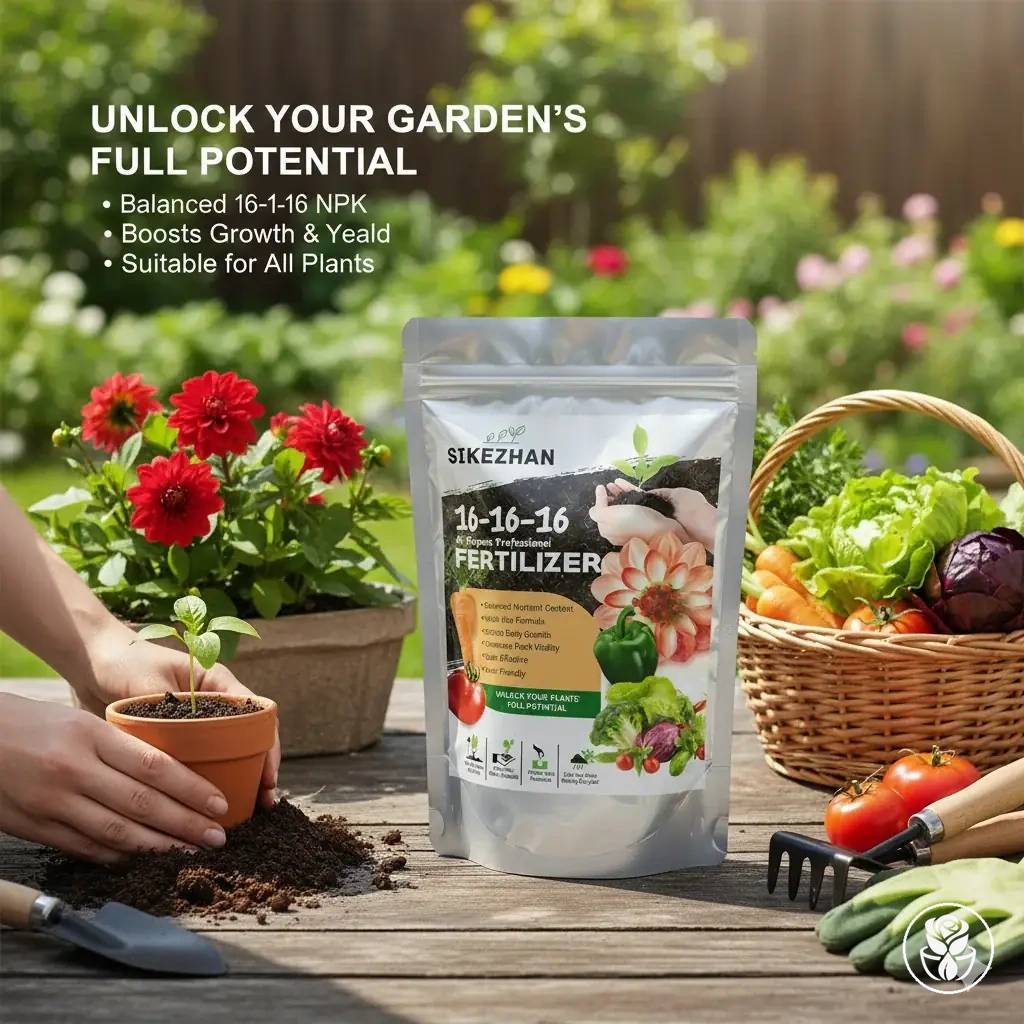
The products below are useful examples for comparing available options. Before buying, check that the compatibility criteria, key features, and product details match your needs.


Pot Size, Container Material, and Exposure
Pot size, container material, and exposure affect drying behavior because moisture balance depends on soil volume, heat, airflow, and water input. Container depth can influence how long moisture remains available, while exposure conditions can change how quickly water is lost. Key compatibility variables include container depth, wall breathability, heat retention, sun exposure, wind, and rainfall.
Container material can influence drying behavior through differences in wall breathability and heat retention. More breathable materials may allow moisture to leave the growing medium more readily, while less breathable materials may retain moisture longer depending on drainage conditions. Exposure also changes moisture balance because sun exposure and wind can increase water loss, while rainfall can increase moisture input and the need for effective drainage. These effects vary by conditions rather than by a universal material choice.
A hot balcony may increase drying behavior when heat retention, sun exposure, and wind combine to raise moisture loss. In contrast, an oversized pot or a sheltered patio may retain moisture longer when greater soil volume or reduced exposure slows drying. This comparison helps explain how pot size, container material, and exposure can change soil and drainage behavior under different conditions.
Moisture Retention Without Replacing the Watering Routine
Moisture retention can help buffer water availability, but it is not a substitute for checking watering need. The soil mix influences how moisture is held and released, while the watering routine controls actual water input. This creates a clear boundary between soil behavior and the watering routine.
Moisture retention can support deeper root-zone moisture even when surface drying becomes visible. Surface drying may occur before deeper moisture is depleted, so the appearance of the top layer does not always reflect conditions lower in the growing medium. Watering response depends on how moisture retention, surface drying, and root-zone moisture interact under current conditions.
Moisture retention can help maintain moisture buffering, but wet soil should not automatically be interpreted as well-hydrated roots. Persistently wet conditions may differ from evenly moist conditions because excess moisture can remain around the root zone longer than intended, while a fast-drying mix may lose available moisture more quickly. For guidance on water input decisions rather than soil moisture behavior, see the watering routine.
Moisture Retention Without Replacing the Watering Routine can be evaluated through the conditions below to distinguish evenly moist, fast-drying, and persistently wet situations.
- Evenly moist: Surface drying may occur while root-zone moisture remains available.
- Fast-drying: Available moisture may decrease relatively quickly between watering checks.
- Persistently wet: Wet soil may remain present longer than expected after water input.
- Watering response: Conditions are best assessed using both surface observations and root-zone moisture behavior.
Soil and Drainage Problems in Potted Roses
When soggy soil, slow drying, water pooling, compaction, sour smell, or weak growth appear in potted roses, soil problems and drainage problems may be contributing factors. These warning signs do not identify a confirmed diagnosis, but they can indicate that the growing medium or drainage conditions need closer evaluation. Soil and drainage problems often become visible through wetness patterns, compaction, drying behavior, and root-zone stress.
Soil and drainage problems may develop when a wet mix remains saturated for extended periods or when poor drainage limits water movement through the container. Soggy soil and slow drying can be associated with restricted outlet flow, excessive moisture retention, or mix-related conditions, although watering practices, weather, and pot size may also influence these symptoms. Compaction can reduce air space within the growing medium, which may contribute to weak growth when root-zone conditions become less favorable. A sour smell may act as a warning sign of prolonged wetness, especially when it appears alongside other drainage-related symptoms.
Soil and Drainage Problems in Potted Roses can be assessed using the checklist below to identify visible wetness, compaction, drying behavior, and escalation signals.
- Soggy soil: The growing medium remains noticeably wet for longer than expected.
- Slow drying: Moisture loss appears limited under conditions where drying would normally occur.
- Water pooling: Water collects on the surface or near the outlet instead of moving through the mix.
- Compaction: The growing medium appears dense, with reduced air space.
- Sour smell: An unusual odor may indicate prolonged wet conditions in the root zone.
- Weak growth: Growth appears reduced alongside other warning signs of poor drainage or compacted soil.
Escalation signals become more significant when multiple warning signs appear together or continue over time. Water pooling combined with a blocked outlet, slow drying combined with a wet mix, or compaction combined with weak growth can serve as escalation cues that justify a closer review of soil structure and drainage conditions before the issue is treated as a broader rose problem.
This chart shows the key warning signs, contributing factors, and escalation signals for soil and drainage problems in potted roses.

Compaction, Soggy Soil, and Slow Drying
When compaction, soggy soil, or slow drying persist, the soil structure or drainage path may not be functioning as intended. These symptoms can indicate reduced movement of air and water through the growing medium, although interpretation may vary with weather, pot size, or recent planting conditions. Together, they form a local symptom cluster linked to compaction, persistent surface wetness, and slow drainage.
Compaction may reduce air space within the growing medium, which can slow water movement and contribute to slow drying. Soggy soil may occur when water remains in the container longer than expected, but wet conditions alone do not confirm one exact cause. Persistent surface wetness can reflect limited drainage, a compacted mix, or sheltered conditions that slow evaporation. Waterlogged lower layers may develop when excess moisture remains trapped deeper in the container, although weather patterns and container size can influence how symptoms appear.
The table below separates symptom, likely soil condition, and response direction. It supports a qualified diagnosis by distinguishing visible symptoms from the soil or drainage attributes that may contribute to them.
| Symptom | Likely soil condition | Check | What it means |
|---|---|---|---|
| Compaction | Reduced air space | Assess soil density | Water and air movement may be restricted |
| Soggy soil | Persistent wetness | Observe moisture retention over time | Excess moisture may remain in the root zone |
| Slow drying | Slow drainage | Compare drying behavior with current conditions | Drainage performance may be limited |
| Persistent surface wetness | Wet soil near the surface | Check whether deeper layers also remain wet | Surface conditions may not reflect the entire root zone |
| Waterlogged lower layers | Excess moisture below the surface | Evaluate deeper moisture conditions | Lower portions of the container may remain saturated |
When Drainage Problems Increase Root Rot Risk
When drainage problems keep roots wet for extended periods, root rot risk may increase because roots can remain in oxygen-poor conditions. Poor drainage can raise risk when a saturated mix limits air movement around roots. Root rot risk describes a warning condition rather than a diagnosis.
Drainage problems may increase root rot risk when a saturated mix remains wet and excess water cannot leave the container efficiently. Blocked outlets can contribute to prolonged wet soil because water movement out of the pot becomes restricted. Oxygen-poor roots may develop when root-zone wetness persists, reducing available air within the growing medium.
When Drainage Problems Increase Root Rot Risk, warning signs help separate risk signals from confirmed diagnosis. The checklist below highlights conditions that may justify closer evaluation without implying certainty.
- Saturated mix remains wet for longer than expected.
- Blocked outlets limit visible water exit from the container.
- A sour smell develops alongside persistent wet soil.
- Repeated wilting occurs even though the root zone remains wet.
- Oxygen-poor roots may be more likely when wet conditions continue for extended periods.
Escalation cues become more important when multiple warning signs appear together or continue over time. Repeated wilting in wet soil, a saturated mix, blocked outlets, or a sour smell may indicate that root-zone conditions are not improving. For guidance focused on prevention and risk reduction rather than diagnosis, see root rot prevention.