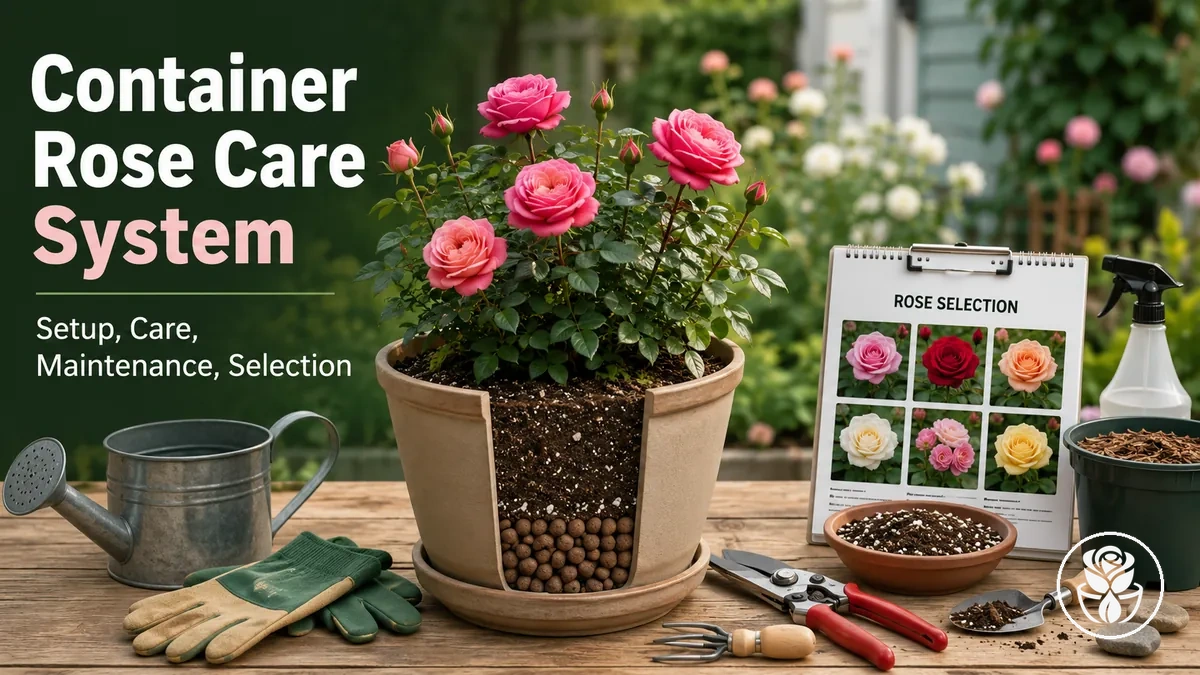
Container Rose Care System for Potted Roses
A container rose care system is a connected way to choose, set up, and maintain potted roses so the container, drainage, soil, watering, care supplies, and maintenance routine support the same goal. This page frames pot-based rose care as a decision-support system, not as a product catalog or a single care recipe.
When roses grow in pots, the container becomes the main growing space instead of open ground. Root space, drainage, soil behavior, moisture movement, exposure, and user care can change how stable the rose care setup becomes.
The practical answer is that potted roses usually need a matched container, open drainage, suitable soil, controlled watering, useful care supplies, and regular maintenance checks. Setup quality matters because weak early choices can create later watering, root-zone, feeding, pruning, or troubleshooting problems. Products can illustrate the system, but standalone tools should stay secondary to the care conditions they support. The goal is safer selection and clearer external-offer evaluation without direct-merchant claims.
A container rose system includes the physical base, the care routine, and the problem-checking logic that help a user judge whether the setup is workable. The next grounding step is to clarify what the system includes before evaluating container fit, supplies, setup choices, and care risks.
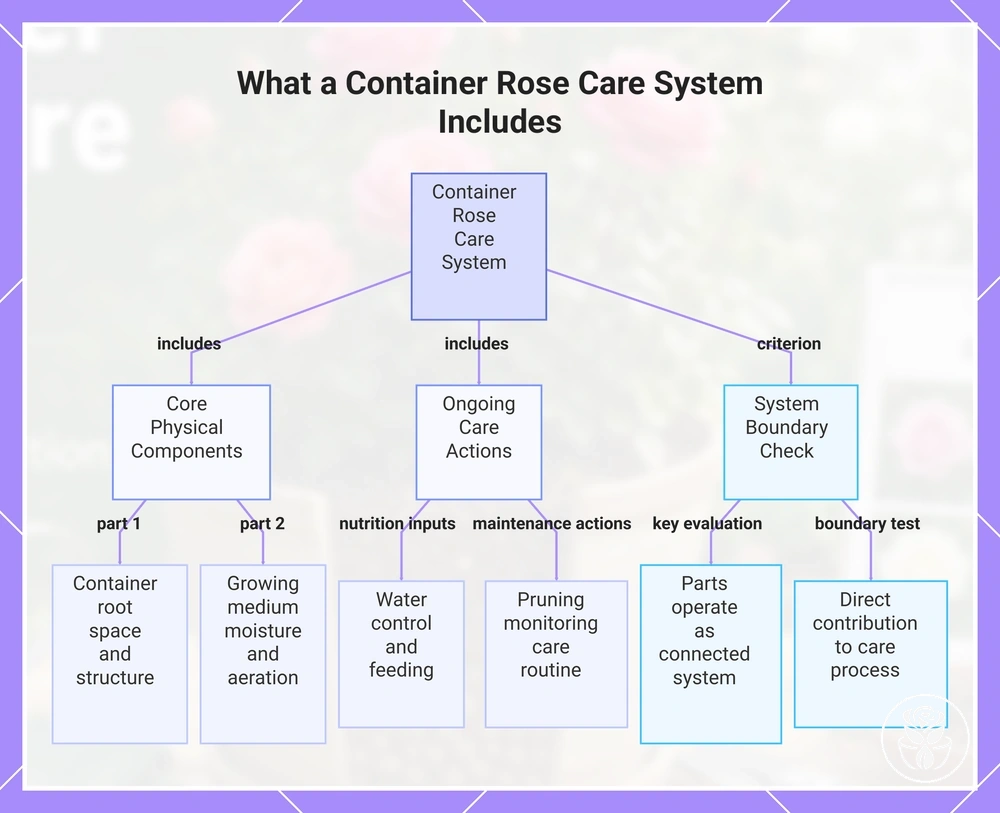
What a Container Rose Care System Includes
A container rose care system is the connected set of container, growing medium, water control, feeding, pruning, monitoring, and care routine elements that help keep roses viable in pots. Each component belongs to the system because it supports a specific function within ongoing potted rose care. The key evaluation point is whether these parts operate as a connected system rather than as separate purchases.
A container rose care system includes physical components and recurring care actions that work together to support root stability, moisture management, and ongoing maintenance. Effects may vary because container conditions, growing medium behavior, and care routine consistency can differ between situations. Products may illustrate the system, but products are not the main subject of the definition. A useful boundary check is whether a component contributes directly to the overall care process.
The list below separates essential system inputs from supporting functions. Each item includes its role and why it matters within the broader care system.
- Container: Provides root space and structure; drainage and root stability depend partly on the container.
- Growing medium: Supports the root zone through soil mix characteristics that influence moisture retention and aeration.
- Water control: Helps manage moisture through a consistent routine; stable moisture conditions can support healthier root function.
- Feeding: Supplies nutrients as part of ongoing plant care; feeding works alongside other system components rather than independently.
- Pruning and monitoring: Help track plant condition and identify maintenance needs before issues become more difficult to manage.
- Care routine: Connects watering, feeding, pruning, and monitoring into a repeatable process instead of an isolated product choice.
This chart shows the components and evaluation criteria of a container rose care system, including physical parts, care actions, and the key check for system integrity.
Core Care Inputs for Roses Grown in Pots
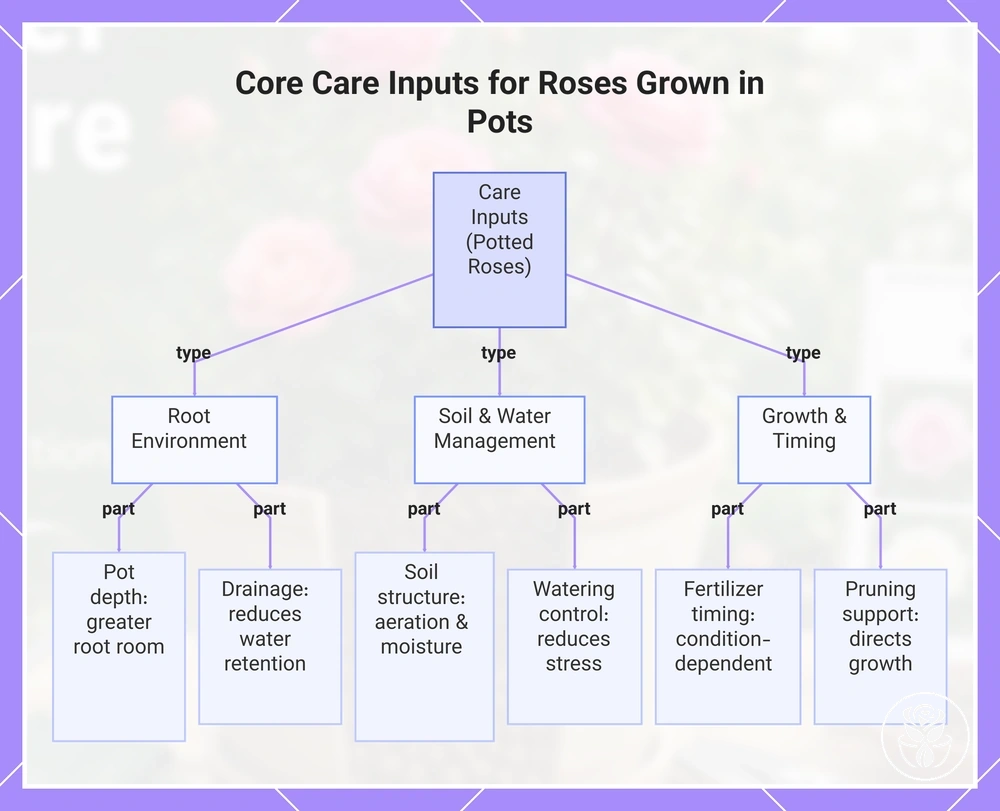
Care inputs are the factors that influence root health, moisture control, and growth stability in potted roses. Container roses rely more directly on these inputs because the root environment is limited to the pot. The key consideration is whether each input supports stable growing conditions over time.
Each input affects a specific condition that can influence plant performance. Results may vary with pot type, season, placement, and care routine. For example, when drainage is missing or restricted, watering control may become less effective because excess moisture can remain around the roots. The inputs below focus on how one condition can affect another within the care system.
- Pot depth: Greater root room can support stability; restricted root room may limit root development.
- Drainage: Better moisture movement can support root health by reducing prolonged water retention.
- Soil structure: A balanced soil structure can improve aeration and help distribute moisture through the root zone.
- Watering control: Consistent moisture management may reduce stress caused by frequent wet-to-dry swings.
- Fertilizer timing: Nutrient availability depends partly on plant condition and growth stage; timing works with other care factors rather than alone.
- Pruning support: Managed pruning can help direct growth and maintain plant structure.
- Observation tools: Regular monitoring can help identify moisture, growth, or maintenance concerns before they become more difficult to address.
This chart shows the main care inputs for potted roses, grouped by their role in root health, moisture control, and growth stability.
System Boundaries Versus Standalone Rose Products
Myth: every rose-related item belongs within a container rose care system. Truth: a system boundary separates components with direct care relevance from standalone products that do not materially support container success. The key criterion is whether an item contributes to root health, moisture control, growth stability, or ongoing care support.
The distinction becomes clearer when system support is compared with isolated merchandise. A product example may help illustrate a care function, but the product remains secondary to the care effect it supports. Use the contrast below to evaluate whether an item belongs within the care system or sits outside the core decision-support scope.
| System Support | Standalone Products |
|---|---|
| Has a direct care effect related to moisture, roots, feeding, pruning, or monitoring. | May serve as a decorative item or accessory with lower relevance to care outcomes. |
| Supports container success through a defined function within the care setup. | May add visual or personal value without contributing directly to plant care. |
| Works alongside other components as part of a connected care process. | Functions as an isolated product without a necessary role in system support. |
A clear system boundary keeps attention on care relevance rather than merchandise. If an item's function does not support container success or a related care effect, the item is usually better treated as a separate accessory than as a core part of the care system.
Fit Conditions for Growing Roses in Pots
Fit conditions for growing roses in pots depend on how well the rose type, container, placement, and care effort work together. Container growing is often practical when root room, drainage capacity, and exposure conditions support stable plant development. The main decision frame is whether the growing environment supports the rose without creating avoidable limitations.
Rose type influences suitability because growth habits and root development can vary. Container depth and available root room may support healthier growth when they align with plant needs, while limited space can increase stress risk over time. Drainage capacity is equally important because restricted water movement may create root-zone challenges. A useful check is whether the container can support both root development and moisture management.
Fit Conditions for Growing Roses in Pots become easier to assess when plant, container, and placement factors are viewed together. The image below clarifies how container depth, root space, drainage, and exposure interact within a container rose care system.

Sunlight exposure, climate stress, and care effort can influence whether a setup remains suitable through changing conditions. A location with appropriate exposure may support growth stability, while climate stress or inconsistent maintenance can increase the need for adjustment. After these criteria are considered, container and pot size selection can be evaluated with clearer context.
| Condition | Requirement | Risk if Weak | Decision Signal |
|---|---|---|---|
| Rose type | Growth habit suited to container culture | Reduced suitability over time | Practical when growth expectations match available space |
| Container depth and root room | Adequate space for root development | Higher risk of root restriction | Needs adjustment when root space appears limited |
| Drainage capacity | Reliable movement of excess water | Greater moisture-related stress risk | Practical when water can leave the container effectively |
| Sunlight exposure, climate stress, and care effort | Manageable growing conditions and maintenance | Lower growth stability | More suitable when exposure and routine care remain consistent |
Rose Type, Container Depth, Root Space, and Placement Fit
Rose type fit depends on how the growth habit matches available container depth, root space, and placement fit. Different rose habits create different root demand and support needs, so suitability can change even when the overall setup appears suitable. The key decision is whether the rose habit aligns with the available growing conditions.
A compact rose or patio rose may suit smaller growing spaces when root room, exposure, and maintenance conditions remain appropriate. Larger rose habits can place greater demand on container depth and support because root development and above-ground growth may require more stable conditions. A suitable rose type can still struggle if root space becomes restricted or if placement fit limits exposure and airflow. The next check is how growth habit, root demand, and placement work together.
| Rose Habit | Root Demand | Fit Consideration |
|---|---|---|
| Miniature rose | Usually lower | May suit limited spaces when placement remains suitable |
| Compact rose | Moderate | Often benefits from balanced root room and exposure |
| Patio rose | Moderate to higher | May need additional support from container depth and placement |
| Larger rose habit | Often higher | Can require greater root space because root demand may increase over time |
For a broader comparison of rose types for container care, apply local fit criteria before assuming a rose habit suits a particular setup. Growth habit, root demand, container depth, and placement fit remain the primary selection signals within this subsection.
Outdoor, Indoor, and Winter Exposure Limits
Outdoor exposure, indoor limits, and winter protection depend on how sunlight, airflow, heat, cold, and sheltered placement interact in a specific setting. A potted rose may remain viable when these conditions stay within a manageable range, but suitability can change across seasons and locations. The main decision frame is whether the placement supports healthy growth without creating ongoing exposure stress.
Indoor limits often relate to reduced sunlight and airflow, while outdoor exposure may introduce wind stress, heat buildup, or cold pressure. A shaded balcony can appear protected yet still limit flowering if sunlight remains insufficient. Winter protection may help during colder periods when pot exposure increases root-zone vulnerability, but the level of protection needed can vary by local conditions. A useful check is whether the placement balances light, air movement, and seasonal protection.
Use the checklist below to evaluate common exposure limits before treating a location as suitable.
- Sunlight availability supports ongoing growth and flowering needs.
- Airflow remains sufficient without creating constant wind stress.
- Heat buildup is limited in enclosed or highly reflective locations.
- Cold exposure is considered when containers remain outdoors during winter.
- Sheltered placement reduces unnecessary weather pressure while maintaining air movement.
- Winter protection matches seasonal conditions rather than assuming all cold periods require the same response.
Container, Soil, Drainage, and Moisture Requirements
Container, Soil, Drainage, and Moisture Requirements are the physical conditions that support root-zone stability in potted roses. Container structure, soil behavior, drainage, and moisture control work together to influence water movement, air exchange, and root conditions. Root-zone stability depends on how these connected requirements function as a system rather than as isolated features.
Container structure affects how water enters, moves through, and exits the root area. Drainage holes provide a runoff path, while soil volume influences how long moisture remains available after watering. When drainage is restricted or soil volume becomes limiting, stress conditions may develop more easily. The key check is whether water movement and root space remain balanced.
Soil behavior influences aeration, moisture retention, and compaction. Moisture retention can help maintain water availability between watering cycles, while excessive retention may increase waterlogging risk when drainage is weak. Aeration supports air movement in the root zone, whereas compaction can reduce pore space and limit both water and air movement. Container, Soil, Drainage, and Moisture Requirements become easier to interpret when these relationships are viewed together.
Container, Soil, Drainage, and Moisture Requirements are illustrated below to show how the physical parts connect within the system. The visual labels the container wall, drainage holes, soil layer, root-zone area, and moisture movement cues that influence growing conditions.

| Entity/Part | Attribute | Value/Condition | Effect/Risk/Decision |
|---|---|---|---|
| Container | Drainage holes | Open runoff path | Supports water exit and reduces standing water risk |
| Soil | Aeration | Air movement through the root area | Can support healthier root conditions |
| Soil | Compaction | Reduced pore space | May limit water and air movement |
| Moisture | Retention | Water remains available after watering | Can support stability when balanced with drainage |
| Moisture | Waterlogging | Excess water remains in the root zone | May increase stress or disease risk |
| Root zone | Temperature | Influenced by container and moisture conditions | May affect root performance and stability |
These attributes are most useful when evaluated as connected conditions rather than separate features. For more detailed criteria on soil and drainage requirements, assess how container structure, moisture control, aeration, runoff, and compaction interact before judging suitability.
Drainage Holes, Soil Volume, and Root-Zone Stability
Drainage holes, soil volume, and root-zone stability should be checked together because water exit and available root space influence the same growing environment. Drainage holes support runoff and root oxygen by allowing excess water to leave the container, while soil volume affects root spread and moisture retention. The main condition is whether water exit and root space remain balanced over time.
Container depth and soil volume influence how roots occupy the growing area and how moisture moves through it. Compaction may reduce air movement and slow runoff when soil structure becomes dense, which can affect root-zone stability. A decorative pot or saucer may increase risk if excess water remains trapped after runoff, because water exit can become restricted even when drainage holes are present. Use the checks below to verify physical conditions before evaluating other care factors.
- Drainage holes are present and allow clear water exit from the container.
- Soil volume provides space for root spread without obvious restriction.
- Container depth supports stable moisture distribution and root placement.
- Compaction is limited so water and air can continue moving through the soil.
- A decorative pot or saucer does not retain excess water after runoff.
Watering Frequency Signals and Moisture Checks
Watering frequency should follow moisture signals rather than a fixed schedule because water demand changes with pot size, soil, weather, exposure, and plant growth. A moisture check is usually more useful than counting days between watering events. The main decision is whether current conditions indicate that additional water is needed.
Surface dryness can provide an early signal, but root-zone moisture offers a more complete picture because soil below the surface may still hold water. Pot weight can also act as a practical indicator, since a lighter container may suggest lower water availability. Drainage speed adds context because water that exits unusually slowly may indicate conditions that need closer observation. The next step is to compare multiple signals instead of relying on a single indicator.
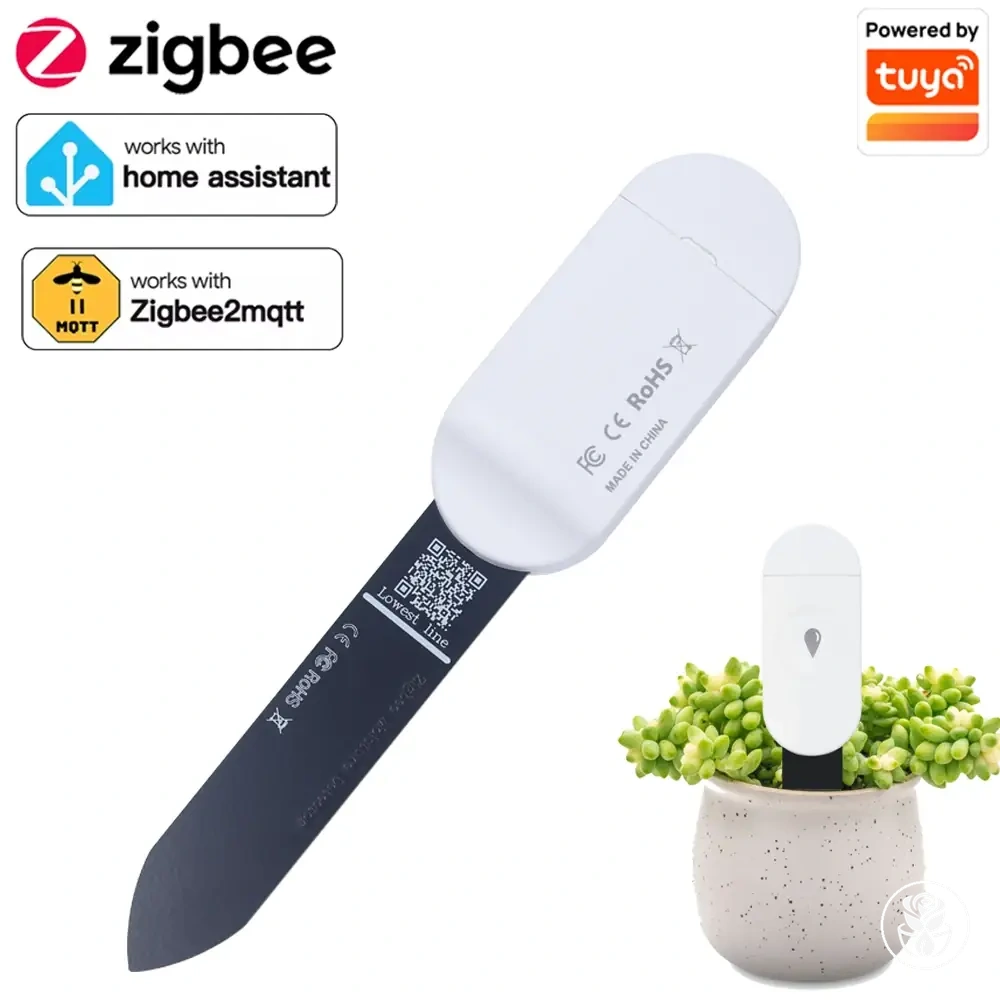
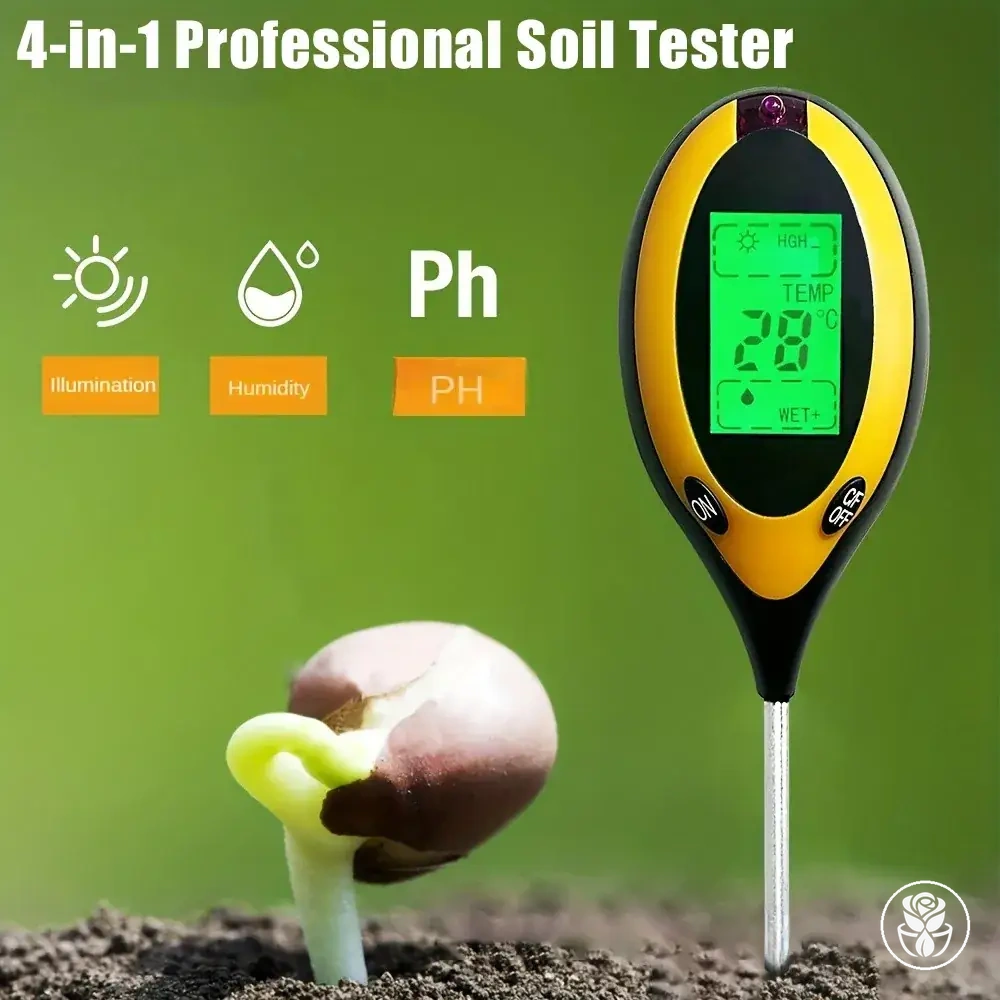
Leaf response and moisture meter readings can help confirm other observations when watering needs appear unclear. A moisture meter may support a moisture check, but readings are most useful when interpreted alongside surface dryness, root-zone moisture, pot weight, and drainage speed. When the same signals repeatedly point toward watering needs, a dedicated routine may become easier to manage. For a broader approach to watering container roses, use local signal patterns before considering any routine.
- Surface dryness: Surface appears dry; check root-zone moisture before watering.
- Root-zone moisture: Moisture remains present; consider waiting and rechecking.
- Pot weight: Container feels lighter; perform a water status check.
- Leaf response: Plant appearance changes; verify moisture conditions before acting.
- Drainage speed: Water exits slowly; observe for possible overwatering risk.
- Moisture meter: Reading supports other signals; use it as one input rather than the only decision factor.
Care Supplies That Support the Container Rose System
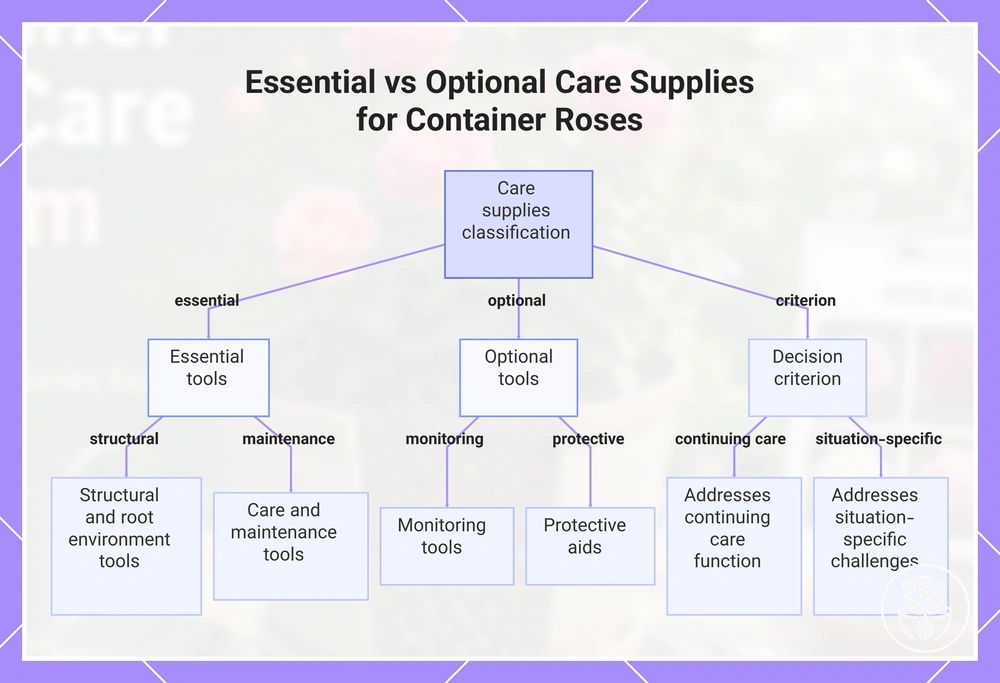
Care supplies should be judged by the job they perform in the container rose system rather than by the number of items used. Essential tools support functions that directly affect moisture control, plant maintenance, root conditions, or system stability, while optional tools mainly add convenience or additional monitoring. The main decision is whether a supply contributes to a required care outcome or a situation-specific upgrade.
Essential tools usually support recurring care needs. Pot support helps maintain container stability, soil materials influence drainage and root conditions, watering tools support moisture control, fertilizer supports nutrient availability, and pruning tools support maintenance. Whether additional supplies are needed depends on the growing environment, monitoring requirements, and the level of care oversight required. The next criterion is whether a supply addresses a continuing care function.
Monitoring tools and protective aids help separate essential care supplies from optional tools. A monitoring tool may support risk reduction and decision-making when growing conditions are difficult to judge, while protective aids may become useful when weather, exposure, or other pressures create added challenges. More supplies do not automatically improve care outcomes because supply value depends on function, care outcome, and actual system need.
- Pot support: Essential when container stability influences plant position or root support.
- Soil materials: Essential because they affect drainage behavior and root conditions.
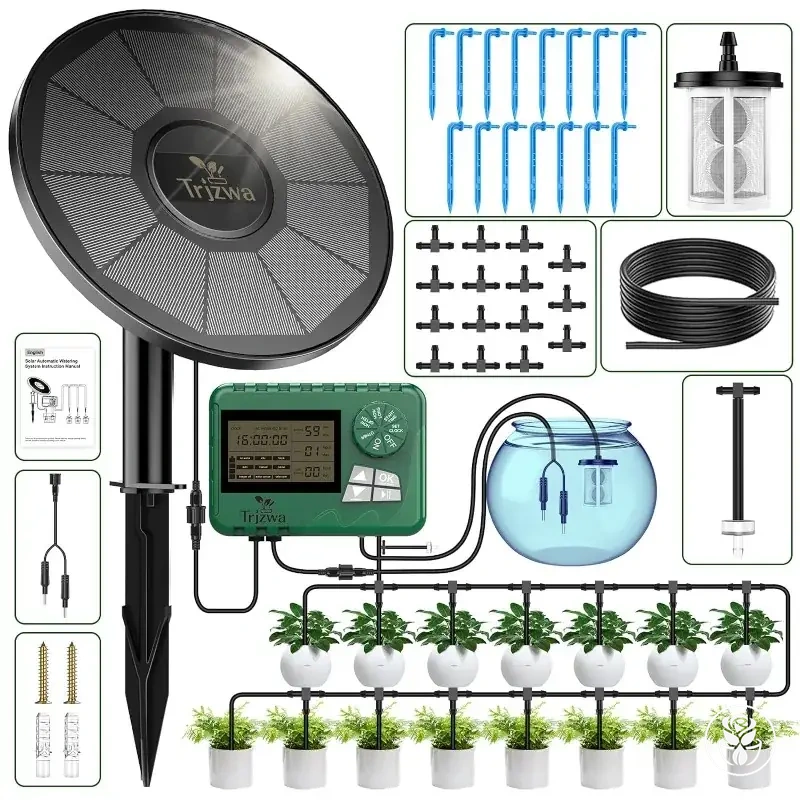
- Watering tools: Essential when they support moisture control and a consistent routine.
- Fertilizer: Essential when nutrient support is part of ongoing plant maintenance.
- Pruning tools: Essential because they support plant shape and maintenance tasks.
- Monitoring tools: Optional tools that may improve decisions when conditions are difficult to assess.
- Protective aids: Optional tools that may help address specific environmental challenges.
This chart shows how to distinguish essential from optional care supplies for container roses based on their function and care outcome.
Essential Supplies for Pot, Soil, Watering, Feeding, and Pruning
Essential supplies are the baseline items that support root space, drainage, moisture control, nutrition, and plant shape in a container rose system. A supply is essential when it supports a core care function rather than a convenience feature. The main decision is whether the item helps maintain stable growing conditions or reduces a care-related risk.
A missing baseline supply can create a later maintenance problem. For example, if drainage support is missing or ineffective, excess moisture may remain around the roots and make moisture control more difficult. Supply choice can vary by setup, but each category below should support a clear care function before additional equipment is considered.
- Pot: Provides root space and stability for ongoing plant growth.
- Drainage support: Helps excess water leave the container and supports moisture balance.
- Container soil: Supports root conditions through moisture retention and aeration.
- Watering tool: Helps maintain a consistent moisture-control routine.
- Fertilizer approach: Supports nutrient availability as part of regular plant care.
- Pruning tool: Supports growth control, plant shape, and routine maintenance.
- Basic handling safety: Helps reduce risk during pruning and general plant care tasks.
Optional Tools for Monitoring, Protection, and Convenience
Optional tools depend on climate, experience level, and monitoring needs rather than forming part of the basic container rose setup. These tools can support monitoring, protection, or convenience, but they do not replace correct pot selection, container soil, watering, feeding, or pruning practices. The main decision depends on whether a specific condition creates a need for additional support.
User situations often determine usefulness. A moisture meter may help a beginner make watering decisions when moisture conditions are difficult to judge, while a plant caddy may help when containers need regular movement on a balcony or patio. A protective cover may become more relevant for winter protection or periods of increased weather exposure, and plant support may help when growth requires added stability. Check whether a tool addresses a specific monitoring, protection, or convenience need before adding it to the system.
- Monitoring: Moisture meter may support watering decisions when root-zone moisture is difficult to assess.
- Monitoring: Labels or journals may help track care routines and plant observations.
- Protection: Protective cover may help during winter conditions or periods of increased weather exposure.
- Protection: Gloves may support safer handling during pruning and routine maintenance.
- Convenience: Plant caddy may help move containers more easily in balconies or limited spaces.
- Convenience: Plant support may help manage growth when stems need additional stability.
Setup Choices That Shape Long-Term Container Rose Care
Setup Choices That Shape Long-Term Container Rose Care begin with installation decisions that influence later watering, feeding, root health, and problem risk. Early choices affect how water moves through the container, how roots contact the soil, and how easily conditions can be monitored. The main condition is whether the initial setup creates stable maintenance conditions over time.
Container preparation, drainage layout, and soil placement work together because each action influences moisture movement and root-zone conditions. A drainage path that supports runoff and a soil arrangement that supports root contact can help reduce later maintenance challenges. Exact handling may vary by container design, root condition, and soil behavior, so each stage benefits from a simple condition check.
Setup Choices That Shape Long-Term Container Rose Care are easier to understand when viewed as a connected sequence. The image below demonstrates how container preparation, soil placement, root positioning, planting depth, and first watering contribute to the starting conditions of the care system.

- Container preparation: Prepare the pot to support stable growing conditions. Check that the container is suitable for ongoing root development.
- Drainage layout: Verify that water can leave the container. Check that runoff is not unnecessarily restricted.
- Soil placement: Place container soil to support root contact and moisture distribution. Check that the soil remains reasonably even around the planting area.
- Root positioning: Position roots so they can establish contact with surrounding soil. Check that roots are not unnecessarily compressed.
- Planting depth: Place the rose at a planting depth that supports stability and root-zone conditions. Check that root placement does not create obvious support concerns.
- First watering: Water after planting to help settle the soil around the roots. Check how moisture moves through the container and exits through drainage.
- Early monitoring: Observe moisture conditions and plant stability during the initial period. Check whether adjustments may be needed before routine care begins.
Each action influences later maintenance because moisture control, feeding response, and root health develop from these starting conditions. For a more detailed setup process for container roses, focus on how each installation decision affects future care rather than treating setup as a one-time task.
Pot Preparation, Planting Depth, Root Placement, and First Watering
Pot preparation starts with creating conditions that support root contact, drainage, and moisture balance. These actions influence how the rose settles into the container and how easily early care can be managed. The main condition is whether pot readiness, planting depth, root placement, and first watering create stable starting conditions.
Exact handling varies by rose form, root condition, and container design. Planting depth, soil firming, and moisture management may need adjustment when root structure or container layout differs. The goal is to support root contact and drainage while monitoring early settling checks before routine care begins.
- Pot preparation: Prepare the container so the planting area can support drainage and root development. Confirm that the setup allows water to move through the container.
- Drainage confirmation: Verify that drainage paths remain open. This can help reduce the risk of excess water remaining around the root zone.
- Root placement: Position roots so they can contact surrounding soil. Adjust root placement when root structure or container shape requires it.
- Planting depth: Place the rose at a depth that supports stability and root contact. Depth may vary depending on rose form and container design.
- Soil firming: Firm the soil gently around the root area. This can help improve root contact without creating unnecessary compaction.
- First watering and settling checks: Apply first watering to help settle the soil. Observe moisture movement and settling checks to determine whether minor adjustments may be needed.
Early Setup Mistakes That Create Later Care Problems
When moisture, root, or growth problems appear later, setup mistakes may be one contributing cause. Early errors can remain hidden during planting and become more noticeable after watering patterns, root development, or environmental conditions change. The main condition is whether the original setup created risks that can contribute to delayed issues.
Not every symptom comes from the initial setup. Weather, ongoing care, pests, and rose condition may also influence plant performance. A useful contrast is that setup-driven problems often begin with a starting condition, while ongoing-care problems may develop after the plant is established. Use the mistake-to-effect relationships below as diagnostic signals rather than a single-cause diagnosis.
- Undersized container: Limited root space may contribute to moisture fluctuations, restricted root development, or weaker growth over time.
- Blocked drainage: Reduced water exit may increase waterlogging risk because excess moisture can remain around the root zone and contribute to root stress.
- Dense soil: Compaction may reduce air and water movement, which can contribute to weak growth or uneven moisture conditions.
- Buried crown: Crown placement that is too deep may create growing-condition issues because moisture and airflow conditions around the planting area can change.
- Poor first watering: Uneven soil settling may reduce consistent root contact and can make early moisture management more difficult.
- Weak placement: Unsuitable exposure conditions may contribute to slower growth, moisture challenges, or plant stress depending on the environment.
- Skipped monitoring: Early signs of settling, drainage, or moisture imbalance may be missed before they develop into larger maintenance concerns.
Ongoing Care Flow for Healthy Potted Roses
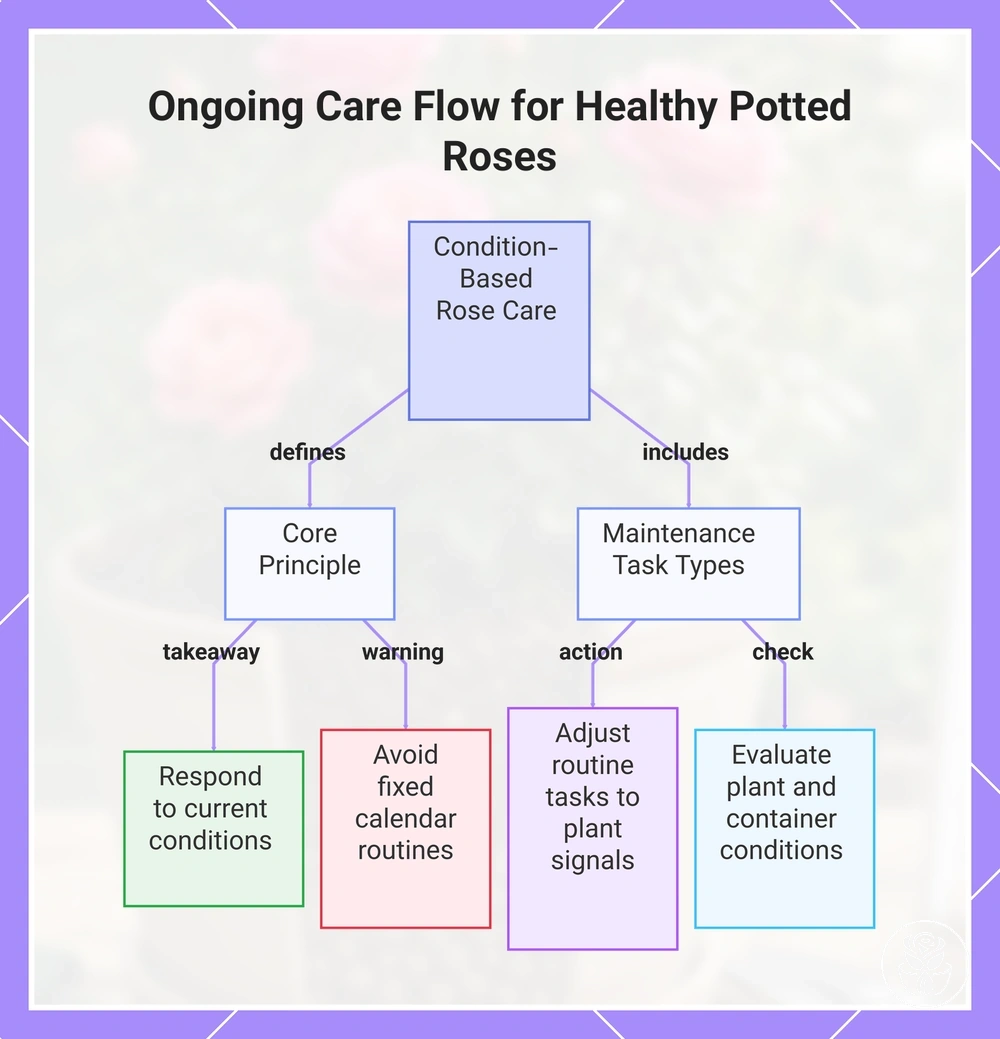
Ongoing care changes as weather, growth stage, pot condition, and seasonal conditions change. A task that suits active growth may need adjustment when moisture demand, nutrient need, or plant activity shifts. The main condition is whether recurring care responds to current conditions rather than following a fixed routine.
Watering, feeding, pruning, and deadheading work as connected maintenance tasks because each one influences how the plant uses water, nutrients, and energy. Watering decisions may change when weather or pot condition alters moisture demand, while feeding may depend on growth stage and visible nutrient need. Pruning and deadheading may support plant management when growth, flowering, or plant condition creates a reason for adjustment. The next criterion is whether task timing matches current plant conditions.
Repotting cues, soil refresh, and seasonal adjustment help maintain growing conditions over longer periods. Repotting may become a consideration when root crowding affects available space or moisture behavior, while soil refresh may help maintain suitable root-zone conditions when the existing growing medium changes over time. Seasonal adjustment may alter watering, feeding, observation, or protection priorities because environmental conditions can change throughout the year.
- Routine tasks: Watering, feeding, pruning, and deadheading should follow current growth, moisture, and plant-condition signals.
- Observation tasks: Pest observation and general condition checks may help identify issues before they become more difficult to manage.
- Seasonal tasks: Seasonal adjustment may change care priorities when weather or plant activity shifts.
- Long-term tasks: Repotting cues and soil refresh should be evaluated when root space or growing conditions appear less suitable.
The care routine is most effective when tasks are triggered by plant and container conditions rather than by calendar assumptions. For a more detailed maintenance schedule, use condition-based criteria to balance maintenance effort, observation needs, and seasonal care trade-offs.
This chart shows the core principle and task types for condition-based maintenance of potted roses.
Watering, Feeding, Pruning, Repotting, and Seasonal Adjustment
Watering, feeding, pruning, repotting, and seasonal adjustment respond to different plant and container conditions throughout ongoing maintenance. A change in moisture demand, nutrient timing, root crowding, soil decline, or seasonal stress may require a different task or level of attention. The main condition is whether the task matches the trigger rather than following a fixed routine.
Task timing can change when weather, growth stage, or pot condition changes. For example, watering demand may increase during warmer conditions and decrease when moisture remains available for longer periods. Feeding decisions may depend on nutrient timing and growth activity, while repotting decisions may depend on root crowding or signs of soil decline. A useful check is whether the adjustment addresses a visible plant or container condition.
- Watering: Trigger: moisture demand changes with weather or pot condition. Caution: avoid assuming the same watering frequency remains suitable in all conditions.
- Feeding: Trigger: nutrient timing depends on growth stage and plant activity. Caution: nutrient need may vary, so avoid a universal dose approach.
- Pruning: Trigger: growth control needs change as stems, foliage, or plant structure develop. Caution: pruning intensity may depend on current plant condition.
- Repotting: Trigger: root crowding or soil decline affects growing conditions. Caution: the decision depends on root and container conditions rather than age alone.
- Seasonal adjustment: Trigger: seasonal stress or environmental change alters plant demands. Caution: care priorities may shift when weather patterns change.
How Care Changes by Weather, Growth Stage, and Pot Condition
Care decisions often change when weather, growth stage, or pot condition changes. The same maintenance task may need a different response during heat, rain, wind, winter, dormancy, or root crowding. The main condition is whether the adjustment matches the current growing situation rather than relying on a fixed rule.
Weather can influence moisture demand and plant stress in different ways. Heat and wind may increase water demand, while rain may reduce the need for additional watering when moisture remains available in the container. Winter conditions and dormancy may also change maintenance priorities because plant activity can slow. A useful check is whether weather conditions support the planned task.
Growth stage and pot condition can modify care decisions even when weather remains similar. New growth and flowering may change water demand or feeding priorities, while root crowding, soil breakdown, and changing drainage behavior may alter how moisture moves through the container. When container condition changes, the decision should focus on the cause before making an adjustment.
| Condition | What changes | What to check |
|---|---|---|
| Heat | Water demand may increase | Moisture availability |
| Rain | Watering need may decrease | Container moisture |
| Wind | Moisture loss may increase | Drying rate |
| Winter or dormancy | Plant activity may slow | Current growth stage |
| New growth or flowering | Water demand or feeding priorities may change | Plant activity |
| Root crowding | Root space may become limited | Container condition |
| Soil breakdown | Drainage behavior may change | Water movement |
Common Container Rose Problems and System Checks
Most container rose problems often trace back to moisture, drainage, soil, feeding, light, roots, or seasonal stress. A symptom is a signal for system checks, not a final diagnosis by itself. The main decision is which attribute should be checked before choosing a response.
Dry soil, waterlogging, yellow leaves, weak growth, root stress, poor flowering, and recurring decline can each point to more than one possible issue. The table below organizes symptoms by likely attribute issue, practical check, and what the result may mean. Use these checks to narrow the issue without assuming a one-symptom cure.
| Symptom | Likely attribute issue | Check | What it means |
|---|---|---|---|
| Dry soil | Moisture demand or watering gap | Check surface dryness, root-zone moisture, and pot weight. | The container may be drying faster than the care routine matches. |
| Waterlogging | Drainage or soil movement issue | Check drainage holes, runoff, and soil compaction. | Excess moisture may be staying around the roots and increasing root stress risk. |
| Yellow leaves | Moisture, feeding, or seasonal stress | Check moisture level, nutrient timing, and recent weather changes. | The plant may be responding to a care imbalance or environmental shift. |
| Weak growth | Light, roots, soil, or feeding issue | Check exposure, root space, soil condition, and feeding pattern. | Growth may be limited by conditions that affect energy, roots, or nutrient access. |
| Root stress | Drainage, soil, or root-space pressure | Check water exit, soil density, and signs of root crowding. | The root area may be under pressure from moisture retention, compaction, or limited space. |
| Poor flowering | Light, feeding, pruning, or growth stage | Check exposure, nutrient timing, and recent pruning or deadheading. | Flowering may be affected by energy balance, maintenance timing, or plant stage. |
| Recurring decline | Combined system stress | Check moisture, drainage, soil, roots, light, and seasonal conditions together. | Repeated decline may involve more than one condition rather than a single cause. |
A system check should connect the visible symptom to the most likely container condition before any corrective action is chosen. If dry soil appears during heat, the check may focus on moisture demand; if yellow leaves appear with wet soil, drainage and root conditions may need closer review. This keeps diagnosis local and avoids treating every symptom as the same issue.
For deeper container rose troubleshooting, use these first checks as a starting point before moving into more specific symptom paths.
Dry Soil, Waterlogging, Weak Growth, Yellow Leaves, and Root Stress
When dry soil, waterlogging, weak growth, yellow leaves, or root stress appear, the likely cause may not be obvious because these symptoms can overlap. A moisture symptom can result from different container conditions, even when plants show similar signs. The main decision is which condition should be checked first before assuming a cause.
Similar symptoms can point to opposite conditions. For example, yellow leaves may appear when moisture remains excessive or when moisture becomes limited, which is why a moisture check is more useful than appearance alone. Weak growth and root stress may also relate to low light, root restriction, nutrient imbalance, heat stress, or seasonal adjustment depending on current container conditions. Use symptom-to-cause-to-check logic before drawing conclusions from a single signal.
- Dry soil: Possible cause: moisture loss may exceed available water. Check root-zone moisture, pot weight, and signs of wilting.
- Waterlogging: Possible cause: drainage limitations may keep moisture around roots. Check drainage behavior, soil condition, and root-zone wetness.
- Yellow leaves: Possible cause: moisture imbalance, nutrient imbalance, or seasonal adjustment. Check moisture conditions and recent changes in plant activity.
- Weak growth: Possible cause: low light, root restriction, or nutrient-related limitations. Check exposure, root space, and overall growing conditions.
- Root stress: Possible cause: waterlogging, root restriction, or soil-related pressure. Check drainage, soil structure, and available root space.
- Heat stress: Possible cause: increased moisture demand during warmer conditions. Check drying rate and recent weather patterns.
When a Problem Needs a Dedicated Diagnosis Path
A dedicated diagnosis is needed when a container rose problem repeats, worsens, or combines several symptoms. Quick system checks can narrow the issue, but recurring or severe signals may need a more structured review. This subsection identifies escalation signals, not a treatment protocol.
Escalation is most useful when the same symptom pattern continues after basic moisture, drainage, soil, light, and care checks. A single symptom may not prove a root issue or disease, but a pattern can show that deeper diagnosis is needed. Use the checklist below to decide when quick checks are no longer enough.
- Recurring yellowing: Yellow leaves that return repeatedly may signal an unresolved moisture, feeding, root, or seasonal pattern.
- Foul soil smell: A foul soil smell with saturated soil may indicate increased root risk and should prompt deeper checks.
- Persistent waterlogging: Water that continues to remain around the root zone may require drainage, soil, and root review.
- Root rot suspicion: Soft, stressed, or declining root conditions may need dedicated diagnosis rather than surface checks alone.
- Major dieback: Widespread dieback may involve multiple stress factors and should not be treated as a single quick-check issue.
- Repeated wilting: Wilting that returns despite moisture checks may require review of roots, drainage, heat, or pot condition.
- Unresolved flowering failure: Poor flowering that continues after light, feeding, pruning, and growth-stage checks may need deeper diagnosis.
Choosing the Right Container Rose Care Path
The right care path depends on fit conditions, setup readiness, maintenance workload, and current problem risk. A beginner with a stable setup may need a different next action than a grower facing recurring issues or root-related concerns. The key decision criteria are the condition of the container rose system and the level of care support it currently requires.
Beginner situations often benefit from a simple care path focused on essential supplies and routine observation. When the container, soil, watering routine, and general plant condition appear stable, the next action may be maintaining the current setup rather than adding more tools. The next criterion is whether the existing setup continues to support healthy growing conditions.
An upgrade path may be worth considering when setup readiness appears limited by container condition, drainage concerns, soil decline, or root-space restrictions. In these situations, the decision is less about adding supplies and more about reducing future maintenance risk. Check whether an existing pot, soil condition, or recurring issue is creating an upgrade need.
A diagnosis path may be more appropriate when recurring problems continue after basic care checks. Repeated yellowing, persistent waterlogging, repeated wilting, or other unresolved symptoms can indicate that troubleshooting should take priority over additional supplies. The next action depends on whether the problem appears isolated or part of a larger pattern.
Use a criteria-led decision block to match your situation to a care path, supply level, and next action. If uncertainty remains after reviewing setup quality, maintenance workload, and problem risk, a buying checklist for container rose care may help organize the next decision step without assuming a specific outcome.
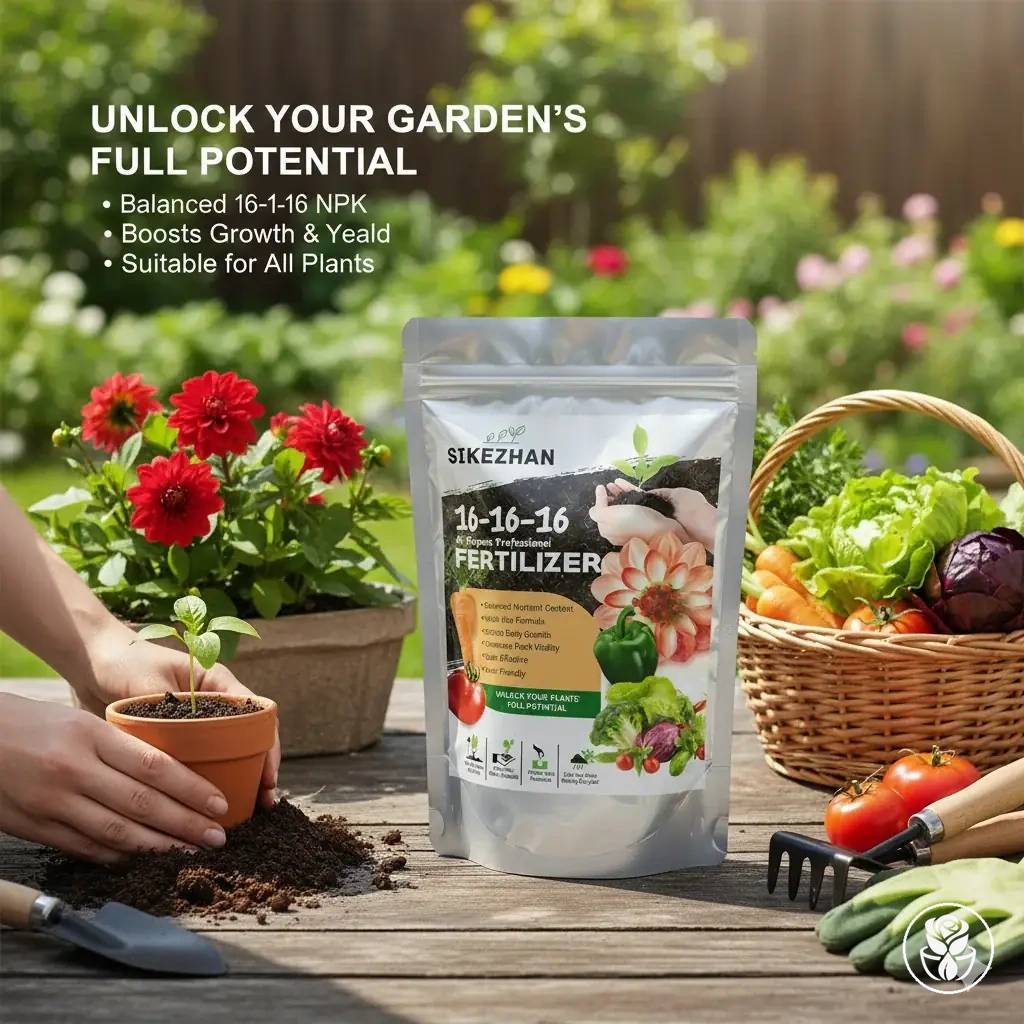
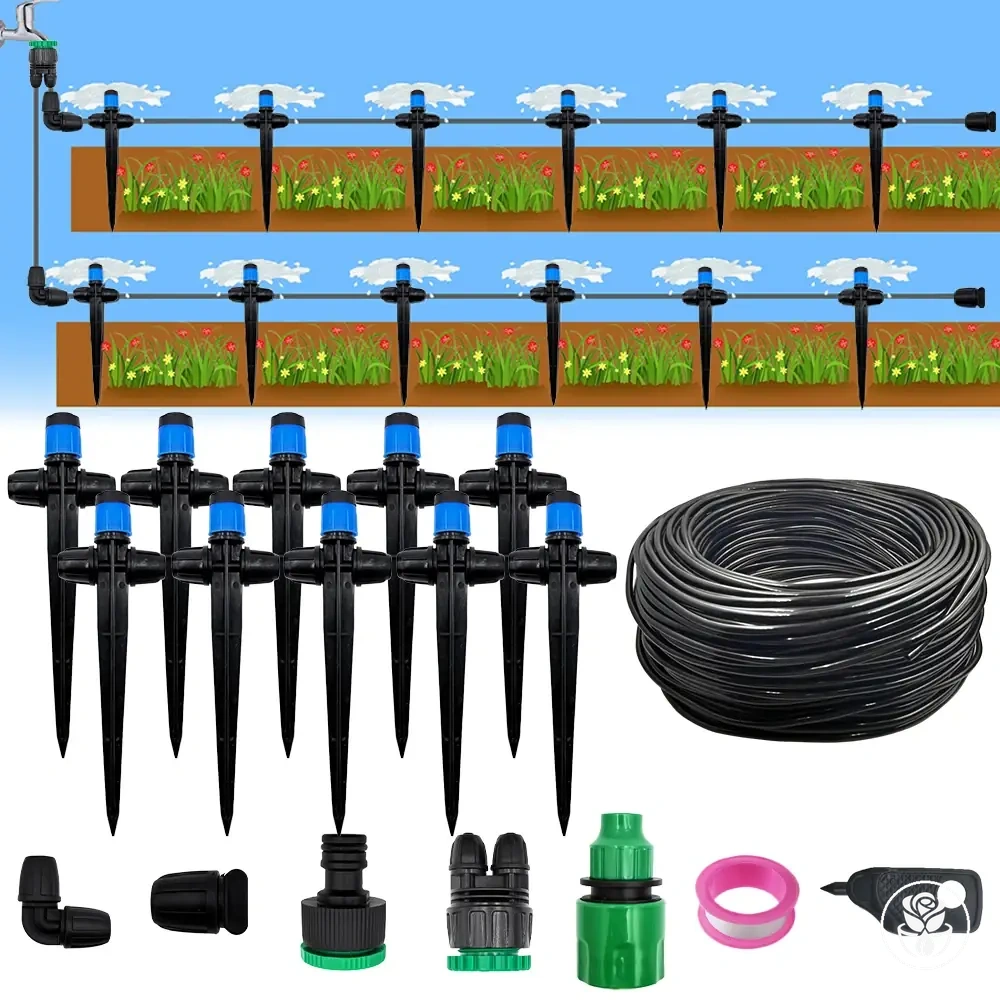
Here are product examples that may make comparison easier. Before buying, always review the compatibility criteria, essential features, and product details.
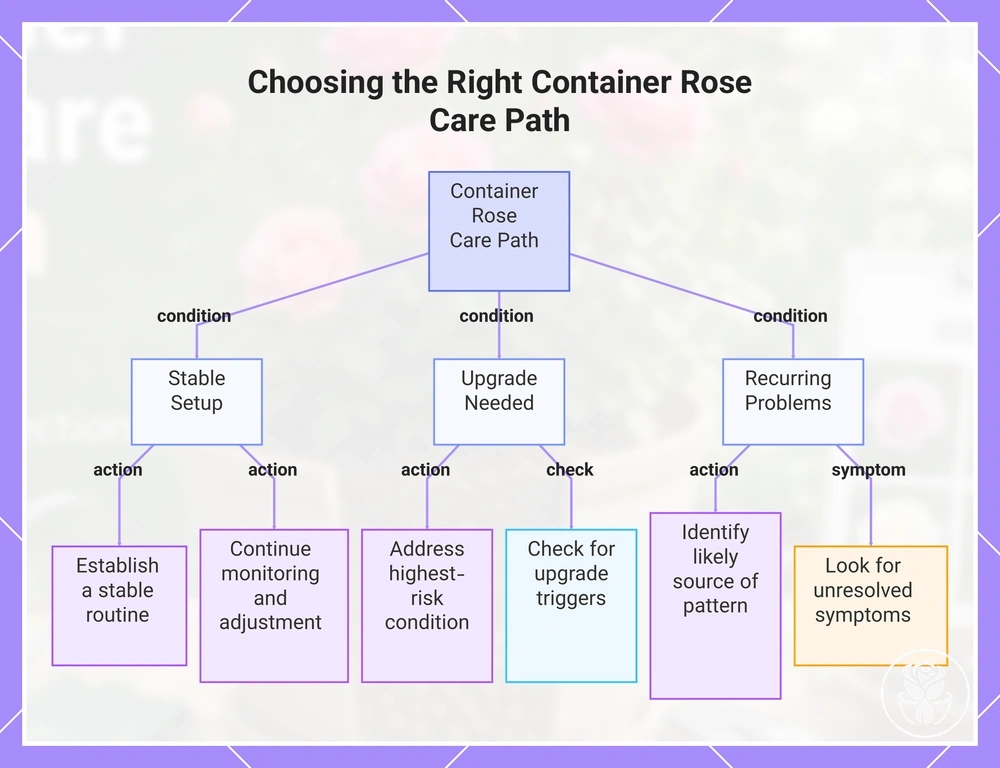
- Starting fresh: Care path: beginner setup. Supply level: essential supplies. Next action: establish a stable routine.
- Maintaining a stable setup: Care path: routine maintenance. Supply level: essential tools with condition-based additions. Next action: continue monitoring and adjustment.
- Upgrading an existing setup: Care path: improvement-focused. Supply level: depends on identified limitations. Next action: address the highest-risk condition first.
- Managing recurring problems: Care path: diagnosis-focused. Supply level: only what supports assessment. Next action: identify the likely source of the pattern.
- Balancing limited time: Care path: simplified maintenance. Supply level: essential supplies only. Next action: focus on consistent core care tasks.
Choosing a care path is usually easier when conditions, effort level, and risk factors are evaluated together rather than separately. The goal is to match the next action to the current situation instead of assuming one solution fits every container rose setup.
This chart shows how to select a container rose care path based on whether your setup is stable, needs an upgrade, or faces recurring problems.